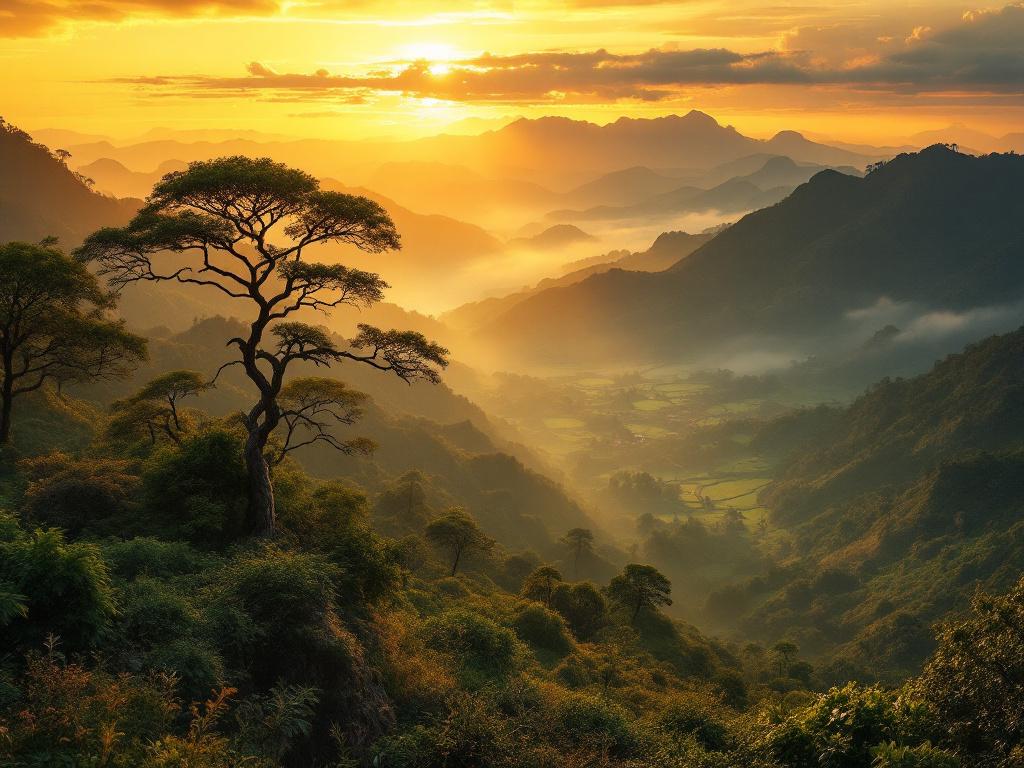
Chiang Rai: The North's Quieter Art Capital
Thailand's northernmost city trades Bangkok's chaos for hill tribe culture, extraordinary art temples, and a coffee scene rooted in Doi Chang's highlands.
Highlights
- White Temple at sunrise before the crowds
- Doi Chang single-origin pour-overs
- Night Bazaar Northern Thai food market
- Baan Dam Museum — singular and strange
The Experience
Chiang Rai knows exactly what it is and refuses to pretend otherwise. While Chiang Mai plays at being a digital nomad hub, Chiang Rai stays devoted to the thing that actually makes Northern Thailand worth visiting: its culture. The White Temple, the Blue Temple, Baan Dam — these aren't tourist traps, they're living artists' statements by people who've dedicated their lives to the work. You feel the difference.
The city's coffee culture runs deeper than most travelers realize. The Golden Triangle sits an hour north, but Doi Chang and Doi Tung aren't just place names — they're the source of some of Southeast Asia's best single-origin beans. The cafés in Chiang Rai take this seriously. You'll find pour-overs made from farmers the barista knows by name, on tables made from reclaimed wood, in buildings that used to be something else entirely.
The night bazaar here has the feel of a real market rather than a staged performance. Miang kham, sai oua, khao soi with the fat noodles — the food is Northern Thai, which means it's darker, more herbal, and less sweet than what you'd find anywhere south of Lampang. The hill tribe villages in the surrounding mountains operate on their own time entirely.
Chiang Rai works best when you treat it as a base for slow exploration: a temple in the morning before the tour buses arrive, a coffee roaster in the afternoon, an art house film or local music at night. The city rewards patience and punishes rushing. Most visitors are gone in a day. Stay three.
Want a personalized itinerary for this trip?
Sign up to get AI-generated day-by-day plans tailored to your preferences.
Plan Your Itinerary