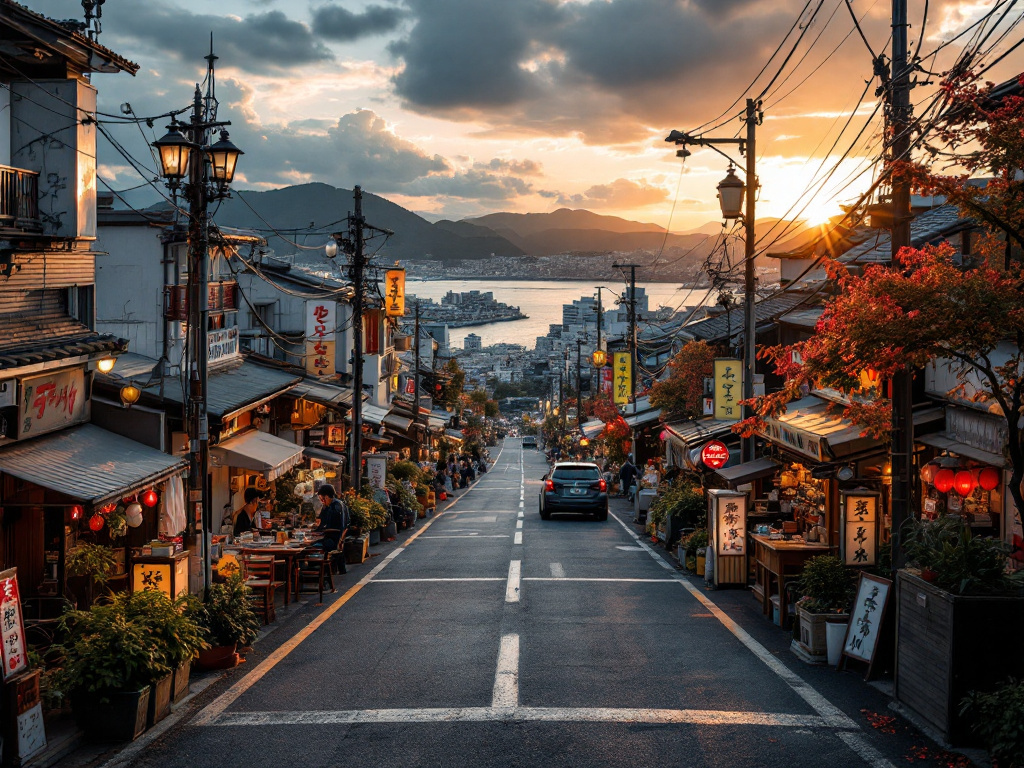
Fukuoka: Ramen, Yatai & the Japan That Didn't Need to Be Discovered
A compact port city on the northern tip of Kyushu where the food is world-class, the pace is human, and the locals are quietly pleased the rest of the world hasn't caught on yet.
Highlights
- Tonkotsu ramen at Shin-Shin in Tenjin
- Late-night yatai stalls on the Nakasu riverbank
- Yanagibashi Rengo Market at dawn
- Goma saba (sesame mackerel) at a neighborhood izakaya
- Ohori Park paddle boats and cherry blossom walks
The Experience
Fukuoka rarely makes the shortlist when people plan their first trip to Japan — and that tells you everything you need to know about why it's worth going. While the crowds queue outside Kyoto temples and jostle through Shibuya crossings, Fukuoka just gets on with being excellent: a compact port city on the northern tip of Kyushu where the food is genuinely world-class, the pace is just human enough to enjoy, and the locals seem quietly pleased that the rest of the world hasn't quite caught on yet.
The food situation here is almost unfair. Hakata ramen — tonkotsu, pale and rich, with thin noodles that you can get replaced mid-bowl for a few extra yen — was invented in this city, and the best bowls are still eaten here. Yanagibashi Rengo Market, the old wholesale fish and produce hall known locally as Fukuoka's kitchen, opens before dawn and doesn't bother performing for tourists. Goma saba, mackerel dressed in sesame and soy, shows up at izakayas across the city and will rearrange your understanding of what raw fish can be. Mentaiko — the spicy cod roe that Fukuoka made famous — is in everything, and at its best it should be.
When the sun goes down, head to the riverbanks along Nakasu and look for the yatai: small, lantern-lit pushcart stalls that set up every evening and seat maybe eight people at a squeeze. You'll share space with salarymen, couples, and the occasional curious traveler who wandered in from the hotel district. Order whatever's steaming, drink whatever's cold, and stay longer than you planned. It is one of the few street food experiences left in a major Japanese city that still feels like it belongs to the people who live there.
The neighborhoods reward unhurried wandering. Daimyo has the vintage shops, the small-batch coffee roasters, and the boutiques that don't have English websites. Yakuin, a few train stops south, has developed a quiet second-wave food scene of its own — natural wine bars next to old kissaten, craft sake hidden above record shops. Ohori Park sits in the middle of all of it, a ring of walking paths around an artificial lake where people rent paddle boats on weekends and the cherry blossoms, in late March, are every bit as good as anyone claims.
Fukuoka fits three days without effort and four without rushing. It is a city that hasn't been flattened by its own reputation, which means the ratio of authentic to curated is still tilted in the traveler's favor.
Want a personalized itinerary for this trip?
Sign up to get AI-generated day-by-day plans tailored to your preferences.
Plan Your Itinerary