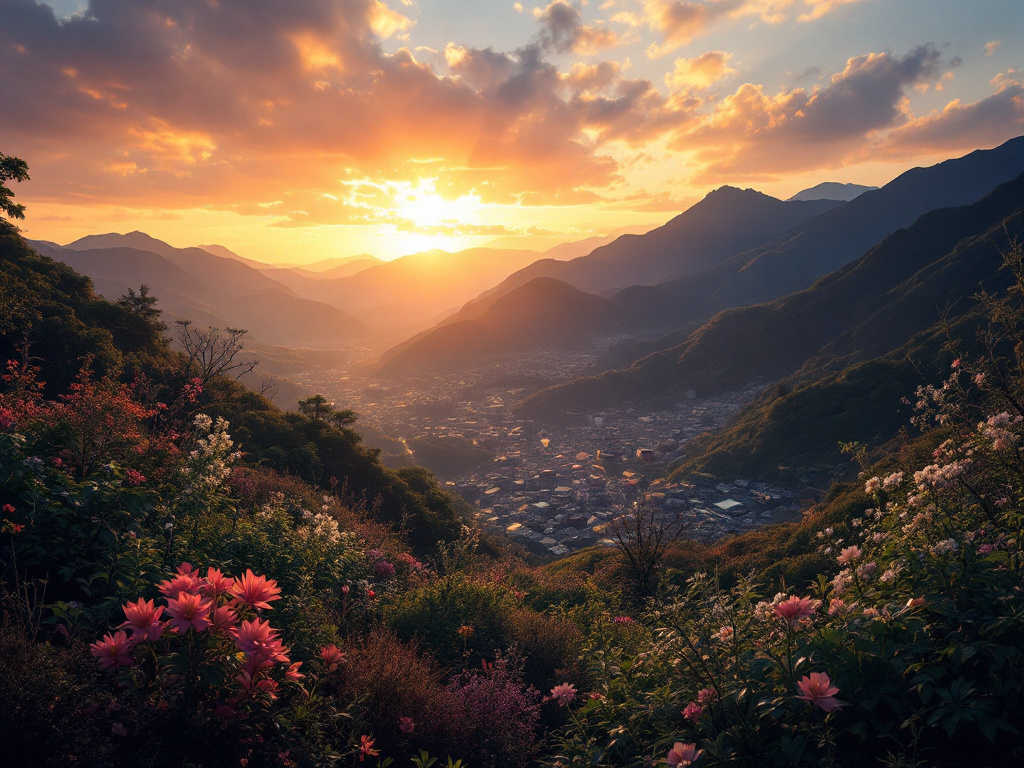
Kanazawa: The Other Old Capital, Quietly Holding On
A slow few days on Japan's underrated Sea of Japan side: three intact geisha districts, gold-leaf workshops, market sashimi at dawn, and the country's most surprising contemporary art museum.
Highlights
- Higashi Chaya geisha district at dawn, before the day-trippers arrive
- Sashimi breakfast at Omicho Market
- The 21st Century Museum of Contemporary Art by SANAA
- Pressing your own gold-leaf square at a Higashi workshop
- Kenroku-en garden in early morning fog
- D.T. Suzuki Museum's reflecting pool
- Jibu-ni stew lunch in the Nagamachi samurai district
The Experience
Kanazawa doesn't try to be Kyoto. The shinkansen pulls into a station fronted by a giant wooden gate that looks like it should be a temple but is actually a tsuzumi drum, and from that first impression on, the city operates on its own logic. This is the Sea of Japan side, quieter and rainier and slower, and somehow more itself for it. Where Kyoto manages tens of millions of tourists a year, Kanazawa got the bullet train extension less than a decade ago and still feels like a city you've half discovered for yourself.
The old town survived. The wartime air raids missed Kanazawa, which means three geisha districts (Higashi Chaya, Nishi Chaya, Kazue-machi) still have their original wooden teahouses, their narrow lanes lit by paper lanterns at dusk, their lacquered facades intact. Higashi Chaya in the morning, before the day-trippers arrive, is one of the most quietly beautiful walks in Japan. Same with Nagamachi, the samurai district, where the earthen walls and stone water channels still belong to the city rather than to a museum exhibit.
Omicho Market has been Kanazawa's kitchen for nearly three hundred years. The Sea of Japan produces the cold-water seafood that drives the local table: snow crab in winter, sweet shrimp through the year, yellowtail that genuinely tastes different from what comes off the Pacific. You can eat your way through Omicho on a single morning: sashimi piled over rice, grilled crab leg, oysters cracked while you wait. Then a bowl of jibu-ni, the local duck-and-wheat-gluten stew, and you've barely scratched the surface.
The thing nobody tells you about Kanazawa is the art. The 21st Century Museum of Contemporary Art is a circular glass building by SANAA, the same architects who did the New Museum in New York, and it's one of the best-curated contemporary museums in Asia. Across town, the D.T. Suzuki Museum is a meditation on Zen rendered as architecture, with a reflecting pool you can sit beside in silence for an hour. Kenroku-en, the famous garden, gets all the press. These two buildings are why you actually fly here.
Kanazawa rewards travelers who like things to take a minute. The gold-leaf workshops in Higashi will let you press your own square. Small sake breweries on the city's edge run tastings without theater. The pace gives you space to make your own discoveries: a corner kissaten, a basement vinyl bar, a tiny izakaya five seats wide. Three full days does it justice; four lets it linger. Skip if you want neon and pace; book if you want craftsmanship, garden mist, and the version of Japan that still remembers what it's like to not be on every traveler's list.
Want a personalized itinerary for this trip?
Sign up to get AI-generated day-by-day plans tailored to your preferences.
Plan Your Itinerary