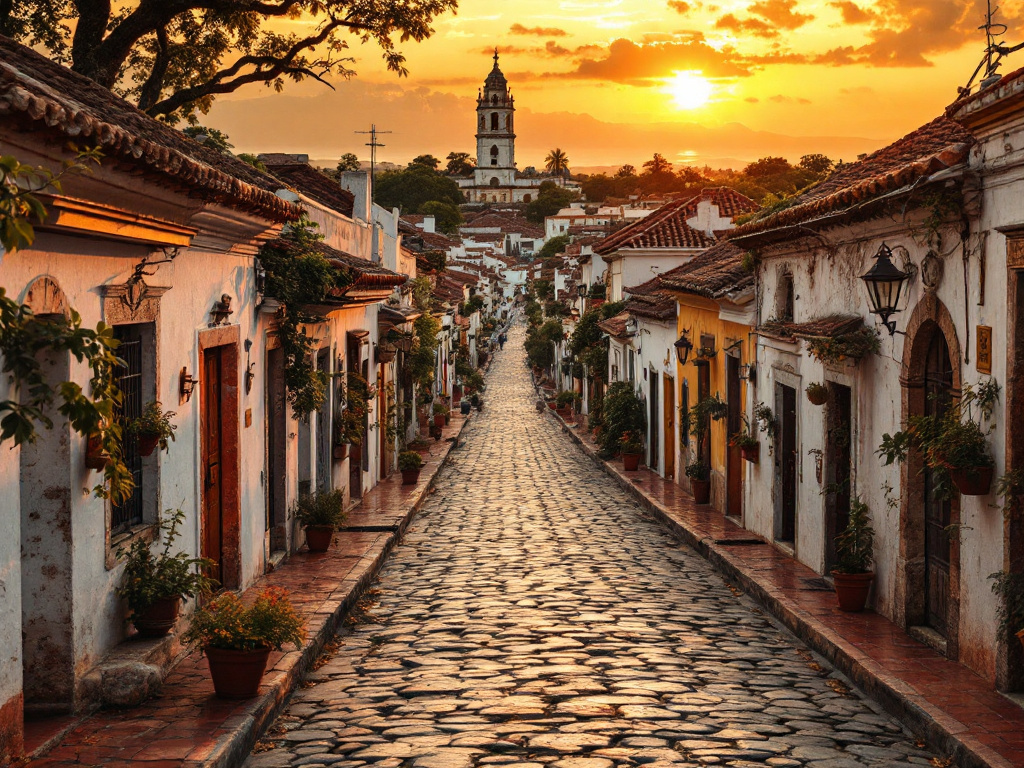
Mérida: The Grand White City at the Edge of the Maya World
Four days in Yucatán's ancient capital: cochinita pibil at dawn markets, Uxmal ruins in the quiet morning, hammock shopping in the mercado, and a food culture entirely unlike the rest of Mexico.
Highlights
- Cochinita pibil at the Mercado Lucas de Gálvez before it sells out
- Uxmal's Puuc temples at dawn, before the tour buses arrive
- Marquesita cones with Edam and cajeta from a plaza stand
- Hammock shopping in the San Benito market
- Gran Museo del Mundo Maya, nearly empty on a weekday
- Sunday Paseo de Montejo closure: bikes, concerts, the whole city out
The Experience
Mérida moves to a rhythm that the rest of Mexico seems to have forgotten. The capital of Yucatán is one of the oldest continuously occupied cities in the Americas, and yet it carries no heavy nostalgia. The streets are white and wide, the air thick with the scent of gardenias sold by women in huipiles at every corner, and by seven in the morning the plaza mayor is already full of locals eating poc chuc in plastic chairs while a marimba band tunes up. This is a city that has never needed to advertise itself, because the people who live here already know what they have.
The food is the reason to come and, for many people, the reason they do not leave. Yucatecan cuisine is nothing like the tacos and moles of central Mexico. It is its own world: achiote-rubbed cochinita pibil slow-roasted underground in banana leaves, sold only in the morning at market stalls that close by noon; papadzules, corn tortillas dipped in pumpkin-seed sauce and filled with chopped egg; panuchos and salbutes, the crispy, puffy street snacks that cost almost nothing and taste like everything. After dark, the marquesita stands appear on the plazas, rolling crispy wafer cones filled with Edam cheese and Nutella or cajeta. It sounds wrong. It is completely right.
The city's two great markets, Lucas de Gálvez and San Benito, are not for tourists. They are for cooking. Walk through the spice and herb section and ask the vendors about recado negro, the charred chile paste that goes into relleno negro, and they will tell you everything. The hammock stalls require the same patience: a proper hammock from Ticul takes weeks to hand-weave, and the seller will first ask your height and weight before recommending which thread count to buy. Nothing here is a performance. It is all simply how things are done.
Below the colonial architecture, the Maya are never far away. The city sits on top of the ancient Itza capital of T'ho, and the stones of that city were used to build the cathedral on the plaza mayor, itself one of the oldest in the Americas. Out of the city, Uxmal's Puuc-style temples rise from the scrub forest with a geometric precision that Chichén Itzá, crowded and commercial, no longer allows you to appreciate. The Gran Museo del Mundo Maya is one of the best archaeology museums in Latin America, half-empty on most days, filled with extraordinary objects and almost nobody looking at them.
Mérida is not a party city or an adventure one. It is a city for people who want to eat extremely well, sleep in a beautifully restored colonial guesthouse, and walk until their feet give out. On Sundays the Paseo de Montejo closes to cars and the whole city comes out on bikes and inline skates, with free concerts in the park and old men reading newspapers in the shade. If you have been to Oaxaca and loved it, you already know the particular pleasure of a Mexican city that belongs to itself. Mérida is that, turned up and moved north to where the heat is different and the food is something else entirely.
Want a personalized itinerary for this trip?
Sign up to get AI-generated day-by-day plans tailored to your preferences.
Plan Your Itinerary