Java's Quiet Capital: Art, Batik & Street Food in Yogyakarta
A four-day immersion in Java's cultural heart: batik workshops, all-night gudeg stalls, indie coffee bars in Prawirotaman, and sunrise over Borobudur.
Highlights
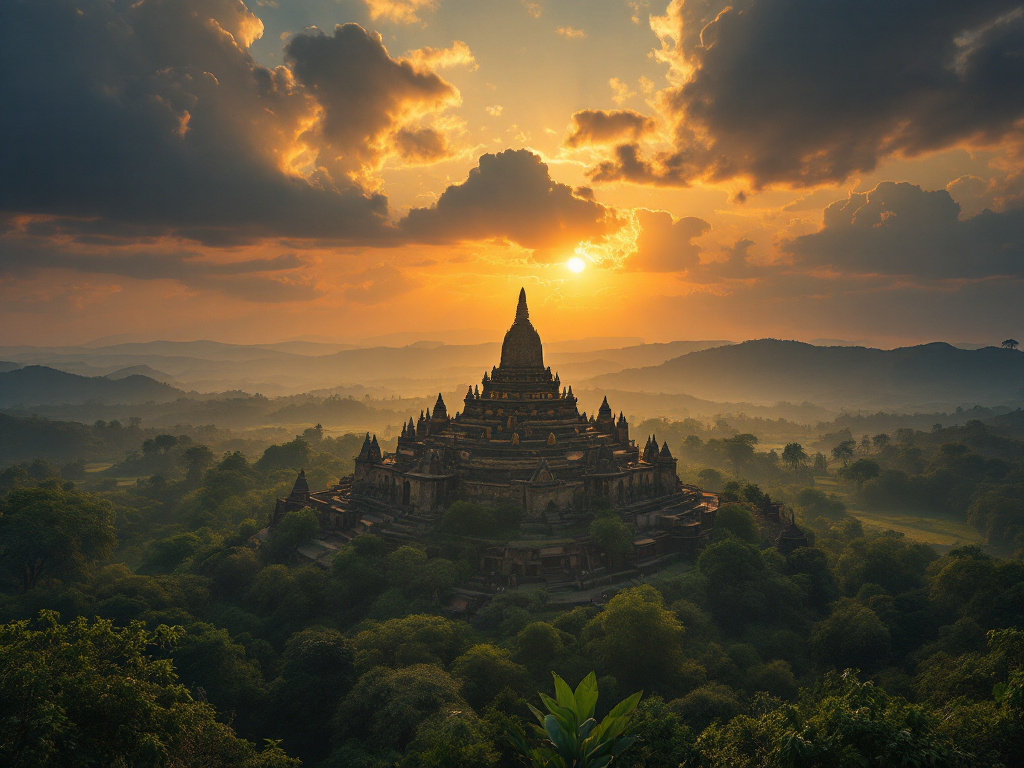
- Sunrise over Borobudur, the world's largest Buddhist temple
- Hand-waxing a panel in a Tirtodipuran batik studio
- Overnight gudeg at a Wijilan street stall
- Silver workshops in the Kotagede quarter
- Indie coffee crawl through Prawirotaman
- Wayang kulit shadow-puppet performance
The Experience
Yogyakarta wears its title lightly. This is the still-beating cultural heart of Java, the only Indonesian city still run by a sultan, and yet it never makes a show of its own importance. The Kraton palace sits quietly behind whitewashed walls while becak drivers doze in the shade and the smell of clove cigarettes drifts down side streets. Locals call it Jogja, and they say it with the affection you reserve for a place that raised you.
What makes Jogja hip isn't a scene that was imported. It grew out of the city's own bones. This is a university town and an artists' town, so the energy comes from students, painters, batik makers, and musicians who never left. Walk the alleys of Tirtodipuran and you pass batik studios where wax is still applied by hand with a canting, the same tool used three centuries ago, next to a third-wave coffee bar pulling shots of single-origin Sumatra. The old and the new don't compete here. They share a wall.
The food alone justifies the trip. Gudeg, the slow-cooked young jackfruit stew that defines Yogyanese cooking, simmers overnight at street stalls where grandmothers have been ladling it out for decades. After dark, Malioboro and the lesser-known lesehan mats fill with families eating off banana leaves on the sidewalk. Katmer, a flaky pistachio-and-cheese pancake, gets folded to order at midnight. You do not come to Jogja to eat in restaurants. You come to eat on the street, where the real cooking happens.
Then there are the temples, which most travelers rush in and out of and shouldn't. Borobudur at sunrise, the largest Buddhist monument on earth, emerging from the mist with volcanoes on the horizon, is the kind of thing that recalibrates you. Prambanan's Hindu spires at dusk do the same in a different key. But the secret is that the city itself rewards slowness more than the monuments do. Spend a morning in the silversmith quarter of Kotagede, an afternoon getting lost in the bird market, an evening watching a wayang shadow-puppet performance, and you start to understand why people who come for three days end up staying three weeks.
This is a trip for travelers who want craft over polish, who would rather learn to wax a batik panel than buy a finished one, who measure a place by its night markets and not its hotel lobbies. Jogja gives all of that, gently, and asks very little in return.
Want a personalized itinerary for this trip?
Sign up to get AI-generated day-by-day plans tailored to your preferences.
Plan Your Itinerary