Dakar Unhooked: Surf, Sabar & Senegal's Atlantic Edge
West Africa's most confident capital: reef breaks off Ngor Island, mbalax drumming until sunrise, and a contemporary art scene that never asked anyone's permission.
Highlights
- Surf sessions at Ngor Right off car-free Ngor Island
- Sabar and mbalax nightlife along the Corniche
- Gorée Island and the House of Slaves memorial
- Village des Arts and Dakar's contemporary art scene
- Lac Rose salt harvesters and pink-hued waters
- Thieboudienne at neighborhood maquis in the Medina
The Experience
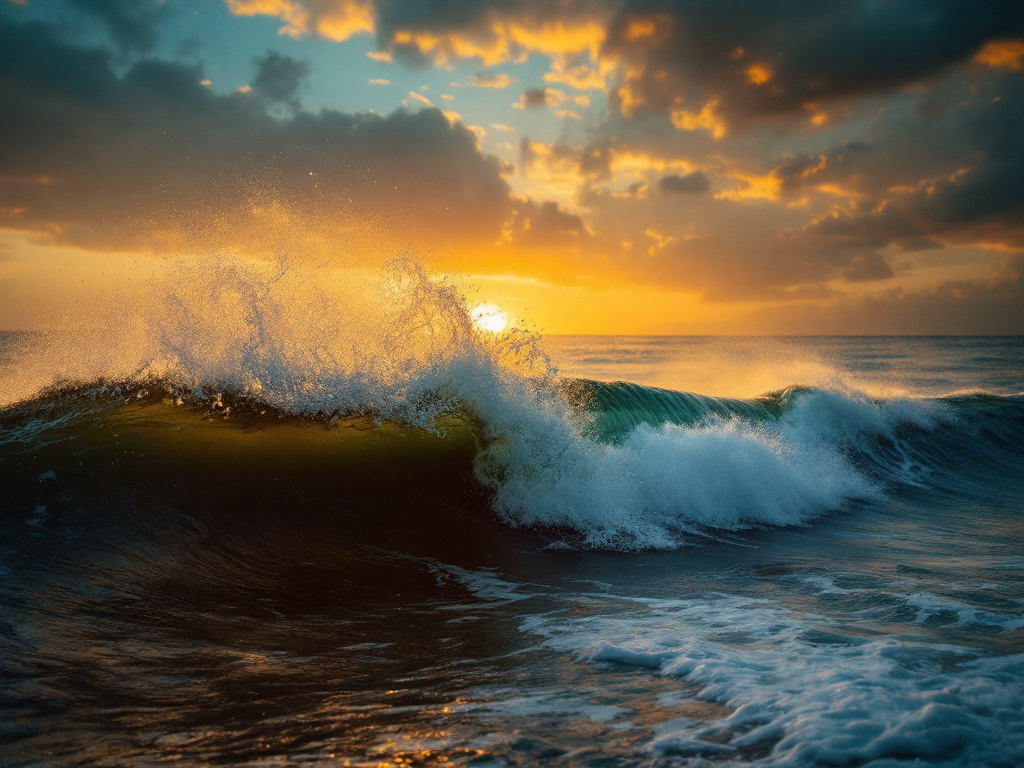
Dakar sits on a peninsula that juts further west into the Atlantic than any other point on the African mainland, and the city carries itself like it knows it. Fishing pirogues painted in impossible color combinations line up on Soumbédioune beach at dusk, hauling in the day's catch while teenagers backflip off the rocks nearby. A few hundred meters offshore, Ngor Island, a five-minute pirogue ride from the mainland, has quietly become one of West Africa's best-kept surf secrets, a reef break called Ngor Right that pulls a small, serious crowd of local and traveling surfers who'd rather not see it in a magazine. There's no traffic on Ngor, no cars at all, just sand paths between fishermen's houses and a handful of guesthouses that feel like they haven't changed much since the seventies.
Back on the mainland, Dakar's energy runs on percussion. Sabar drumming, the polyrhythmic heartbeat of Wolof culture, spills out of courtyards during naming ceremonies and weddings, and mbalax, the drum-driven pop sound Youssou N'Dour took global, still packs clubs on the Corniche most nights of the week. The city doesn't perform this for visitors; it's simply what Dakar sounds like after dark, and showing up at a club in Point E or the Plateau means dancing next to people who've been doing this since childhood. The food follows the same rule of unpretentious mastery: thieboudienne, the fish-and-tomato rice dish considered Senegal's national plate, is judged by grandmothers running open-air maquis, not by anyone with a tasting menu.
Dakar's art world punches enormously above its weight. The Dakar Biennale, Africa's oldest and most significant contemporary art event, transforms the city's colonial-era buildings and public plazas into gallery space every two years, but even off-cycle, the scene never fully closes: Village des Arts on the eastern edge of town houses working studios open to visitors, and street murals from past editions of the Biennale still cover walls across the Medina neighborhood. The controversial, colossal African Renaissance Monument looms over the city from a hilltop, taller than the Statue of Liberty and impossible to ignore, a Cold-War-bronze fever dream that says more about Senegalese ambition than subtlety ever could.
An hour outside the city, Lac Rose, the Pink Lake, turns a shade of bubblegum some mornings depending on algae and salinity, ringed by workers hand-harvesting salt in a scene that looks lifted from another century. Gorée Island, a UNESCO site and one of the most sobering places in West Africa, sits a twenty-minute ferry ride from the mainland: its House of Slaves and Door of No Return memorialize the Atlantic slave trade with a weight that stays with you long after the ferry ride back.
Dakar suits travelers who want West Africa without a script, who'd rather learn a sabar rhythm badly than watch a folkloric show, and who don't mind a city that runs hot, loud, and completely on its own schedule. Come hungry, bring earplugs for the ceebu jën at 2am, and don't expect anyone here to slow down for you.
Want a personalized itinerary for this trip?
Sign up to get AI-generated day-by-day plans tailored to your preferences.
Plan Your Itinerary