Gaziantep: Baklava at Dawn, Copper Bazaars & the World's Best Mosaics
Turkey's actual food capital, three hours south of the Cappadocia crowds. Copper hammered by hand in a 500-year-old bazaar, baklava made the same way since the Ottoman court, and a museum holding the finest Roman mosaics ever pulled from the ground.
Highlights
- Dawn katmer at Zekeriya Usta before the stalls sell out
- Zeugma Mosaic Museum and the Gypsy Girl mosaic
- Bakırcılar Çarşısı, the working coppersmiths' bazaar
- Baklava tasting at a fourth-generation family shop
- Restored Ottoman merchant houses in the Bey neighborhood
- Gaziantep Castle and views over the old city
The Experience
Everyone who has eaten seriously in Turkey will tell you the same thing eventually: the food is better in Gaziantep. Not Istanbul, not the coast, Gaziantep, a mid-sized city near the Syrian border that UNESCO named the world's fourth Creative City of Gastronomy and that almost no foreign tourist itinerary includes. That absence is the whole appeal. This is a city that cooks for itself, at a level most capitals would envy, with no tour buses waiting outside to dilute it.
Start before sunrise, because katmer does not wait for you. At Zekeriya Usta and a handful of other katmerci stalls near the old town, cooks stretch paper-thin dough by hand, layer it with clotted cream and pistachio, and fire it on a wood griddle starting around 5am, a tradition built around dawn shift workers who needed something rich before a long day. By 9am the good stalls sell out. The pistachio itself comes from groves an hour outside the city, and it shows up everywhere: in baklava made by families who have run the same copper-lined shops for four generations, in künefe, in the dense, chewy helva sold by weight in the bazaar.
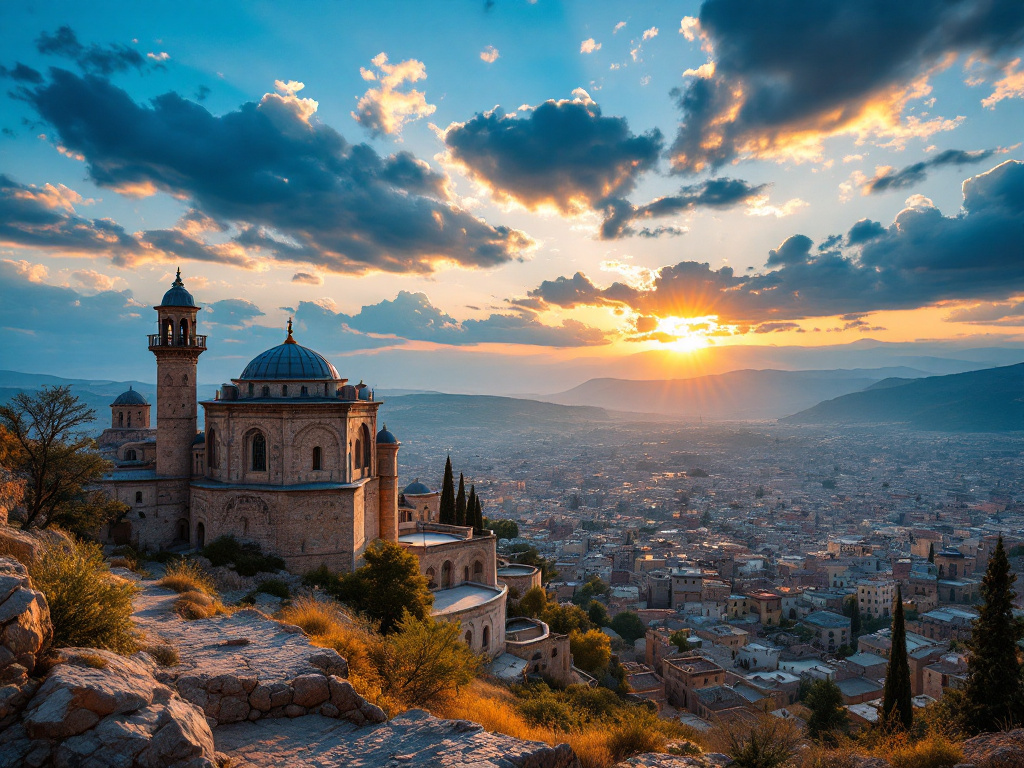
The Bakırcılar Çarşısı, the coppersmiths' bazaar, is still a working market, not a recreation of one. Men hammer sheet copper into pots and trays in stalls their grandfathers ran, the sound ringing off stone walls that predate most European cities. A few streets over, restored Ottoman merchant houses in the Bey neighborhood, their stone facades, courtyards, and carved wooden ceilings intact, have become boutique hotels and quiet cafes, giving the old city a second life without pretending its history away. The Gaziantep Castle sits above it all, a Roman-then-Byzantine-then-Ottoman fortress that anchors views over the rooftops.
And then there is Zeugma. The Zeugma Mosaic Museum holds the largest collection of mosaics in the world, salvaged from a Roman city that was flooded by a dam reservoir in the early 2000s. The Gypsy Girl, a haunting portrait mosaic pulled from a villa floor, is reason enough to come, but the sheer scale of the collection, room after room of preserved Roman floors, is what stays with people. Pair it with the Gaziantep Museum's coppersmithing and folklore exhibits for the fuller picture of a city that has always made things by hand and eaten extremely well while doing it.
Gaziantep suits the traveler who wants to eat their way through a genuinely important food culture without competing for a table, who would rather watch a coppersmith work than photograph a hot air balloon, and who trusts that the best version of a country is often the one three hours from where everyone else is standing.
Want a personalized itinerary for this trip?
Sign up to get AI-generated day-by-day plans tailored to your preferences.
Plan Your Itinerary