Kigali: Coffee Cooperatives, Art Studios & the Cleanest Sunday Streets in Africa
Skip the gorilla-trek layover treatment. Kigali runs on women-grown single-origin coffee, artist-collective studios in converted family compounds, and a Sunday morning ritual where the whole city hands its main road back to walkers, runners, and cyclists.
Highlights
- Single-origin women-grown coffee cuppings at Question Coffee
- Artist studios and gallery openings at Inema Art Center
- Nyamirambo neighborhood walking tour led by local women's cooperative
- Kigali Genocide Memorial
- Car-free Sunday mornings on KG 7 Avenue
- Norrsken House rooftop and Kigali's tech and creative scene
The Experience
Most itineraries treat Kigali as a one-night stopover between the airport and Volcanoes National Park, a place to sleep off jet lag before the gorillas. That does the city a real disservice. Kigali is hilly, orderly, and quietly self-assured in a way no other East African capital is, a place that rebuilt itself deliberately over three decades and ended up with something genuinely distinctive: a small, walkable capital where art studios, coffee cooperatives, and a serious tech scene sit a few hundred meters apart from each other.
Coffee is the place to start, because Rwanda's is some of the best on the continent and almost none of it used to stay home. That has changed. Question Coffee, run by a cooperative of women farmers, roasts and pours single-origin lots from named washing stations, and the baristas will walk you through the difference between a Nyamasheke lot and a Huye one if you ask. Inema Art Center, a converted family compound turned working studio and gallery in Kacyiru, is the anchor of Kigali's contemporary art scene, founded by two brothers who grew up sketching on the walls of their childhood home. Painters and sculptors work in the open courtyard most afternoons, and openings pull a real mixed crowd of expats, diplomats, and Kigali's own gallery regulars, not tourists bussed in for a photo.
Nyamirambo is where the city's street life actually lives. A short moto ride from downtown, it's Kigali's oldest and most mixed neighborhood, a dense grid of tailor shops, corner bars, a mosque with a call to prayer that overlaps the evening traffic, and women's cooperative walking tours run by locals who grew up on these streets and want to show them off on their own terms rather than a guidebook's. Food here is unfussy and good: brochettes off a charcoal grill, ikivuguto and cassava leaf stew, a Primus passed around a plastic table while a football match plays on a TV bolted to the wall.
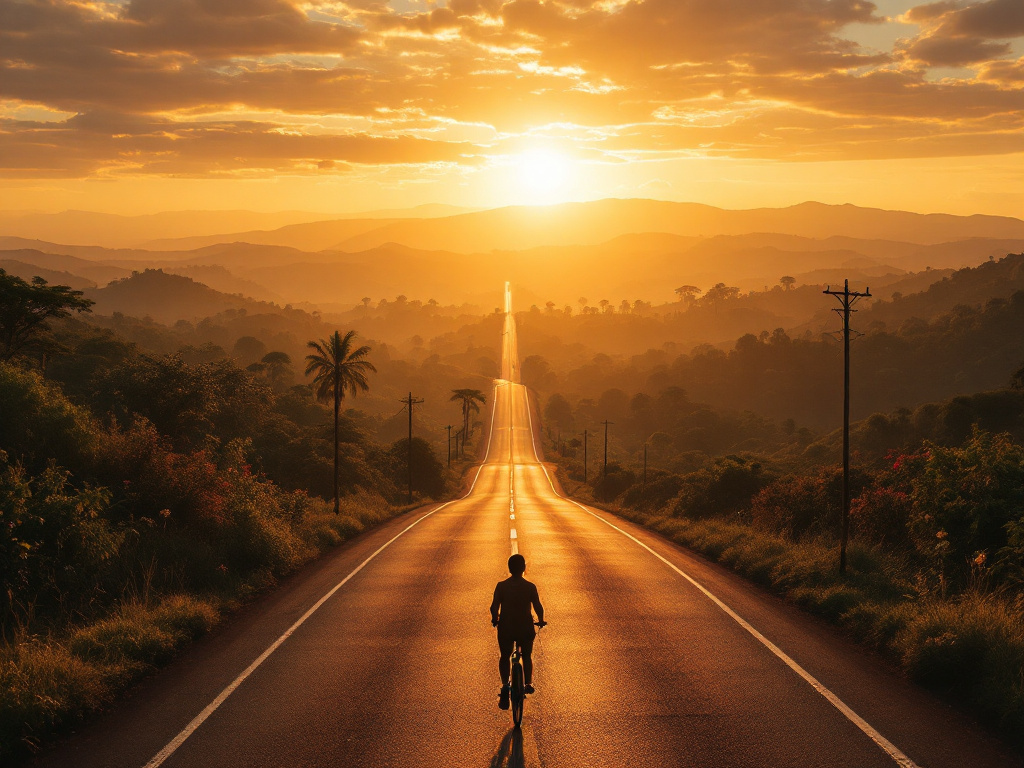
The Kigali Genocide Memorial is not optional, and it shouldn't be treated as one stop among many. It is the reason everything else about this city, the cleanliness, the order, the visible ambition, makes sense once you've spent an hour there. Rwanda's modern story is one of a country that decided, deliberately and at every level of daily life, what kind of place it was going to become. That decision shows up in small, strange, wonderful ways: the last Sunday of every month is Umuganda, when the whole country pauses for mandatory community work, and the city closes KG 7 Avenue to cars every Sunday morning so it fills instead with runners, cyclists, aerobics classes, and street vendors selling roasted corn to everyone taking a break.
A weekend in Kigali suits the traveler who wants a capital city that isn't performing for anyone, one where a tech hub like Norrsken House shares a hillside with a coffee cooperative and an art collective, and where the hardest history on the continent sits honestly alongside one of its most forward-looking cities.
Want a personalized itinerary for this trip?
Sign up to get AI-generated day-by-day plans tailored to your preferences.
Plan Your Itinerary