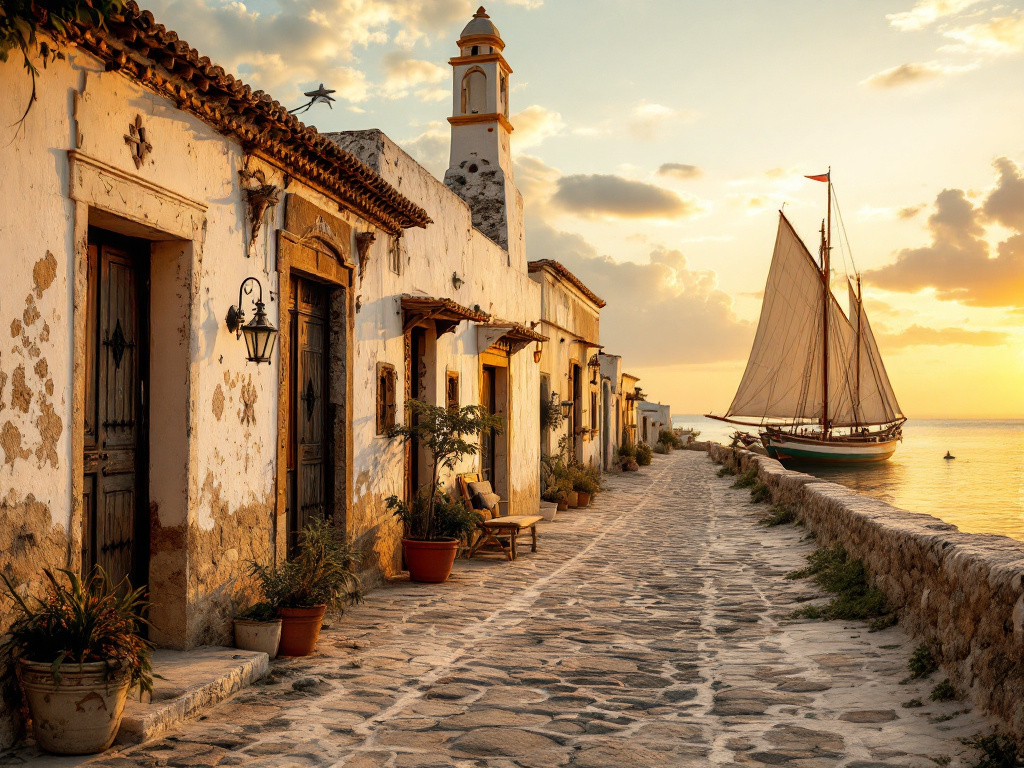
Lamu: Swahili Stone Alleys, Dhow Sails & a Town Without Cars
Kenya's oldest living Swahili town, where cars have never been allowed and the fastest thing on the street is a donkey. Coral-stone alleys, hand-carved doors, sunset dhow sails, and Shela's dunes make Lamu one of East Africa's most singular, unhurried places.
Highlights
- Sunset dhow sailing through the mangrove channels
- Wandering the car-free coral-stone alleys of Lamu Old Town (UNESCO)
- Rooftop Swahili seafood dinners overlooking the waterfront
- Lamu Donkey Sanctuary
- Shela Beach and its towering dunes
- Lamu Fort and the Swahili House Museum
The Experience
Most travelers heading to Kenya point toward the Maasai Mara or a resort strip near Mombasa. Lamu is neither. It's a narrow island off Kenya's northern coast, reachable only by a short flight or a long drive followed by a boat crossing, and once you land, wheeled transport simply stops. Lamu Old Town, the oldest continuously inhabited Swahili settlement in East Africa, has never allowed cars. The alleys are too narrow for anything but people, donkeys and the occasional handcart, so the sound of the town is footsteps, the call to prayer, and hooves on coral stone rather than engines.
The architecture is the reason UNESCO put it on the list, but it's the daily life inside it that makes the town worth slowing down for. Carved wooden doors, some centuries old, mark houses that have passed through generations of Swahili, Omani and Indian trading families. Courtyards open onto shaded verandas where families still gather in the evening. Walk far enough into the back alleys and there's no tourist infrastructure at all, just tailors, spice sellers, and kids kicking a ball against a coral wall.
Food follows the water. Rooftop restaurants serve the day's catch, grilled or simmered in coconut-and-tamarind sauces, alongside chapati and Swahili-spiced pilau, while dhow captains call up from the waterfront hawking sunset sails. A dhow trip at golden hour, gliding past mangrove channels with a cold Tusker in hand, is close to mandatory. For something quieter, the Donkey Sanctuary near the town center looks after Lamu's true beasts of burden and is worth an hour on its own.
A 45-minute walk up the coast, or a short dhow ride, is Shela, Lamu's low-key sister village, where a mile of open beach backs into towering sand dunes. It's popular with a design-minded crowd of long-staying travelers who fell for it decades ago and never quite left, and the handful of boutique guesthouses built into converted Swahili houses reflect that quietly obsessive devotion.
Lamu suits travelers who want heat, history and total disconnection from vehicle traffic more than they want nightlife or a packed itinerary. Go in the dry months, bring a book, and expect the days to slow down until you stop checking the time.
Want a personalized itinerary for this trip?
Sign up to get AI-generated day-by-day plans tailored to your preferences.
Plan Your Itinerary