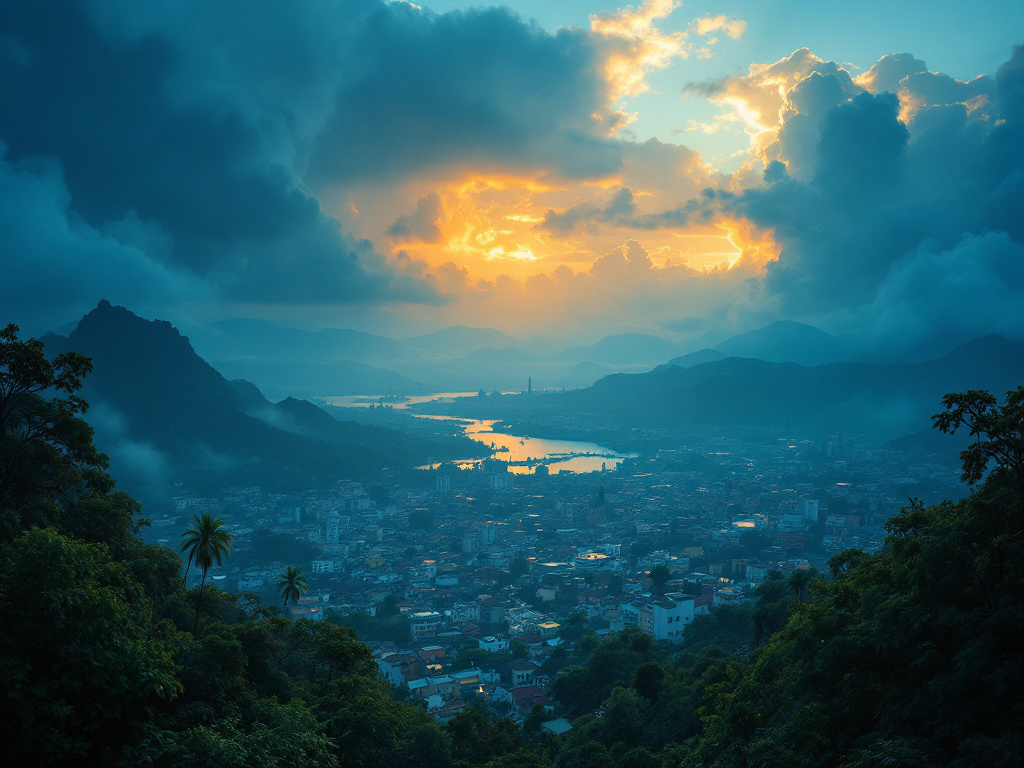
Salvador da Bahia: Drums, Dendê & the Afro-Brazilian Heart of Brazil
Cobbled colonial squares, thunderous drum circles and dendê-oil cooking in the city where Afro-Brazilian culture never stopped being the main event.
Highlights
- Capoeira circles and live drum rehearsals in the Pelourinho praças
- Acarajé from a Baiana street cart in her traditional white lace
- Elevador Lacerda between Cidade Alta and Cidade Baixa
- Rio Vermelho's open-air botecos and live axé music
- Museu Afro-Brasileiro and the terreiros of Candomblé
- Mercado Modelo waterfront market
The Experience
Salvador doesn't ease you in. From the moment you climb out of the Cidade Baixa into the Pelourinho on the groaning Art Deco cage of the Elevador Lacerda, the city is already drumming. Capoeira circles form spontaneously in the praças, two players trading cartwheeling kicks inside a ring of clapping hands and berimbau twang, and somewhere within a few blocks a samba-reggae bloco is rehearsing for a Carnival that is, depending on the month, either weeks away or months behind. The Pelourinho itself, a UNESCO-listed tangle of steep cobblestone streets lined with mustard, teal and salmon colonial townhouses, was Brazil's first capital and the largest slave port in the Americas, a history the city doesn't sand down. It sits in the churches with gold-leaf altars, in the Afro-Brazilian museum built into the old medical school, and in the fact that this is still, unmistakably, the Blackest city in Brazil.
Food here runs on dendê palm oil and coconut milk, and the person most likely to hand it to you is a Baiana do acarajé, a woman in white lace and turban working a street cart the way her ancestors did, frying black-eyed pea fritters split open and stuffed with vatapá, caruru and dried shrimp. Moqueca, the orange-hued fish stew, shows up in clay pots from beach shacks to serious restaurants, and nobody agrees on whether Salvador's version or its rival in Espírito Santo is better, which is exactly the kind of argument worth having over a caipirinha made with cachaça instead of the usual. Mercado Modelo, built into a former customs house on the waterfront, is touristy at the edges but still where you find real leather sandals, berimbaus and Bahian spice blends sold by people who've worked the same stall for decades.
Rio Vermelho, a bohemian neighborhood a short cab ride from the old town, is where Salvador goes at night: open-air botecos spilling onto the sidewalk, live music that shifts from samba to axé to Brazilian funk depending on which bar you're standing outside of, and a shrine to Yemanjá, the orixá of the sea, that draws hundreds of thousands of white-clad worshippers every February 2nd for one of Brazil's biggest religious festivals. Candomblé, the Afro-Brazilian religion born from enslaved Yoruba, Fon and Bantu traditions merging with Catholicism, is practiced openly here in terreiros around the city, and its rhythms and orixás show up everywhere from restaurant names to the patterns on tiled walls.
Salvador suits travelers who want their history unvarnished and their nightlife loud, who'd rather learn a capoeira ginga than lie on a beach towel, and who don't mind that the best meal of the trip might come from a cart instead of a table with linen on it. Bring cash for the street vendors, comfortable shoes for the hills, and patience for a city that runs on its own rhythm, not yours.
Want a personalized itinerary for this trip?
Sign up to get AI-generated day-by-day plans tailored to your preferences.
Plan Your Itinerary