Starland Sessions: Savannah Beyond the Squares
Skip the carriage tours for Savannah's other side: a mural-covered arts district, a Jim Crow-era bus terminal turned acclaimed restaurant, and moss-draped quiet a mile off the tourist map.
Highlights
- Mural-covered gallery walk through the Starland District
- Dinner at The Grey, inside a restored 1938 segregation-era bus terminal
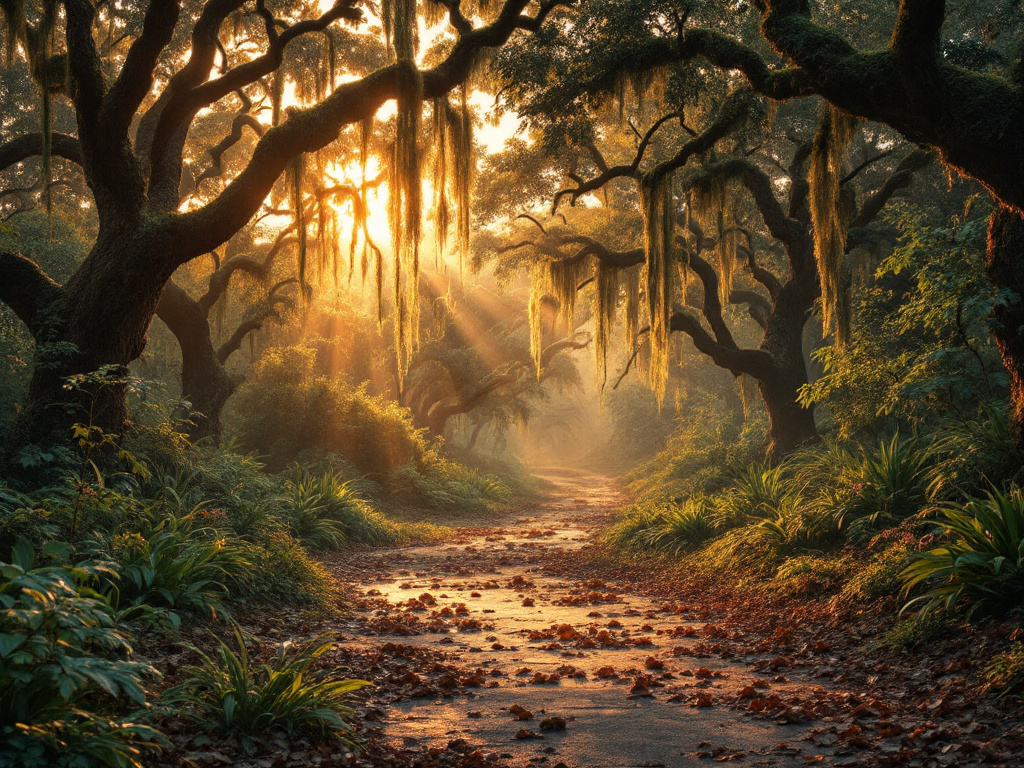
- Golden-hour bike ride to Bonaventure Cemetery's moss-draped oaks
- Coffee cupping at PERC Coffee's roastery
- Jazz clubs on Congress Street and a day-trip beach reset on Tybee Island
The Experience
Everyone arrives in Savannah expecting the postcard: hoop-skirted ghost tours, horse carriages clopping around Forsyth Park, oak trees dripping Spanish moss over cobblestones that have been photographed a billion times. That Savannah is real and it's lovely, but it is not the whole city, and the version worth three days of your life is happening a mile south, around the Starland District, where a defunct 1930s dairy plant has been slowly colonized by muralists, potters, and people who make natural wine in a converted garage.
Starland reads less like a historic district and more like a neighborhood that woke up one day covered in paint. SCAD's design school casts a long shadow over Savannah, but here its influence shows up as working studios and gallery nights rather than souvenir shops — wheatpaste portraits three stories tall, a sculpture garden behind a bike shop, coffee roasters who actually cup and taste their beans instead of just plating a latte for the camera. Mornings belong to the Sentient Bean, a co-op café on the edge of Forsyth Park that's been feeding Savannah's activists and insomniac artists since before the neighborhood had a name, or to Foxy Loxy, where the courtyard fills with laptops and dogs and nobody's in a hurry.
The city's food story runs through an unlikely building: The Grey, occupying a meticulously restored 1938 Greyhound bus terminal, complete with the terrazzo floors and porthole windows of a segregation-era waiting room that once turned Black travelers away from its front doors. Chef Mashama Bailey's kitchen turns that history into something the city has to sit with while it eats extraordinary Lowcountry food, and it set off a chain reaction — Common Thread, The Wyld, a wave of small rooms serving shrimp and grits with actual technique instead of tourist-menu shortcuts. Vinnie Van Go-Go's, a cash-only pizza joint blaring punk rock two blocks from a horse-carriage stop, is the neighborhood's honest rebuttal to anything precious.
When you need quiet, Bonaventure Cemetery delivers it better than any museum. It's the burial ground that made Savannah famous in "Midnight in the Garden of Good and Evil," but arrive at golden hour on a weekday and it's just you, live oaks arched into cathedral ceilings, and the slow work of moss reclaiming stone angels. It's a twenty-minute bike ride from Starland along quiet residential streets, flat enough that you won't break a sweat.
Night in Savannah still means jazz — Congress Street clubs where the crowd is as likely to be local horn players sitting in as tourists, rooftop bars looking out over church spires instead of the river tourist strip, and if you want sand under your feet, Tybee Island is a twenty-minute drive for a beach reset before you fly home. This suits travelers who want a Southern city that still argues with its own history rather than just selling it back to you in gift-shop form — food-obsessed, a little melancholy, unmistakably alive.
Want a personalized itinerary for this trip?
Sign up to get AI-generated day-by-day plans tailored to your preferences.
Plan Your Itinerary