Tallinn Underground: Telliskivi, Kalamaja & the Medieval Old Town
A long weekend threading Tallinn's UNESCO medieval core into the converted Soviet factories and wooden fishing quarters where the city's actual creative life happens now.
Highlights
- Telliskivi Creative City's converted railway-repair food halls and courtyard bars
- Kalamaja's wooden Art Nouveau streets, craft breweries and secondhand bookshops
- The UNESCO Old Town's cobblestone lanes and Toompea Hill views at dawn, before the cruise crowds
The Experience
Most people who fly into Tallinn spend their whole trip inside the ring wall, photographing the same spired skyline from the same overlook, and leave thinking they've seen the city. They haven't. Ten minutes on foot from the Old Town's western gate, a former Soviet-era railway repair complex called Telliskivi Creative City has become the actual center of gravity for anyone who lives here: a sprawl of red-brick workshops now holding a dozen restaurants, a natural wine bar tucked behind a courtyard gate, print studios, a vinyl shop, and a food hall that fills up with off-duty chefs on their nights off. It's unpolished in the right way, still smells faintly of machine oil in places, and nobody's trying to sell you a magnet.
Walk five more minutes north and you're in Kalamaja, a onetime fishermen's and factory-workers' district of wooden houses painted in mustard, rust and dusty teal, most of them a century old and still leaning slightly into each other. This is where Tallinn's small but serious craft beer culture lives, alongside secondhand bookshops, a beach that locals actually swim at in July, and some of the best coffee roasting in the Baltics happening out of what used to be someone's garage. It reads as a neighborhood that got interesting by accident, not by design, which is exactly why it's worth your time.
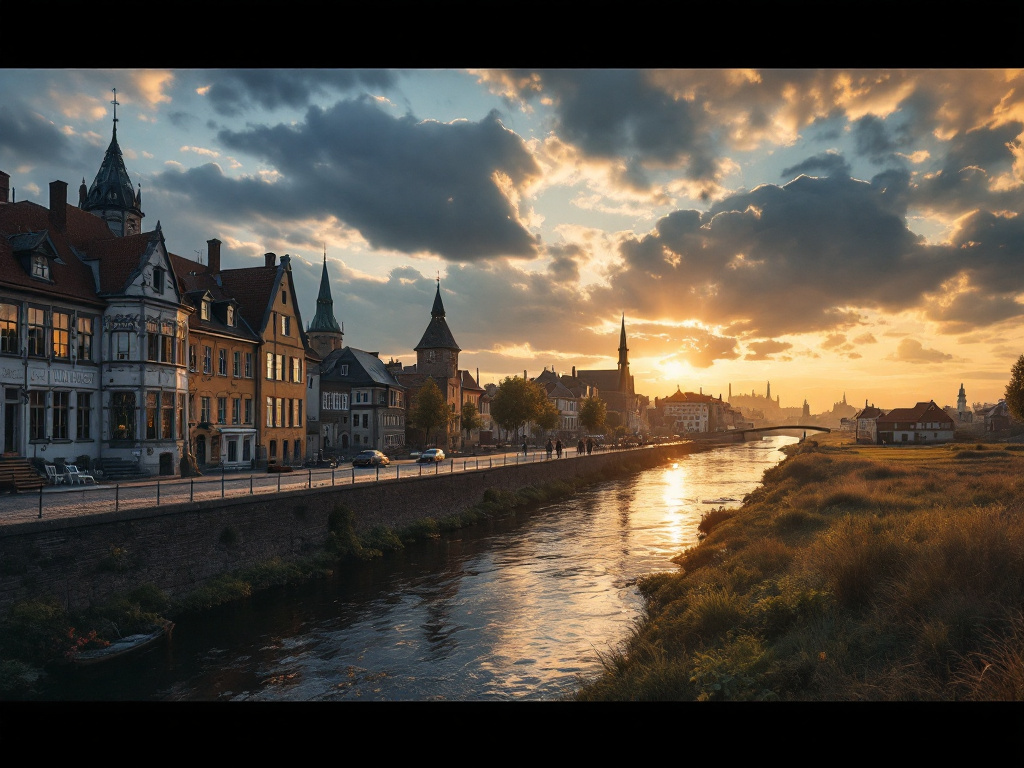
The Old Town itself shouldn't be skipped so much as re-timed. Go at 7am, before the cruise-ship groups arrive, and the cobblestone lanes, church spires and merchant-guild facades are genuinely transporting: this is one of Europe's best-preserved medieval city centers, not a reconstruction. Toompea Hill gives you the postcard view over the rooftops. But the trip works best as a whole, not a highlight reel: coffee in a 700-year-old cellar in the morning, a design-district gallery crawl in the afternoon, dinner in a converted train depot at night. Tallinn's rare in that it lets you do all three without ever needing a taxi.
Add in the fact that this is one of the most digitally forward small capitals on earth (this is the birthplace of Skype and e-Residency), and there's an undercurrent of confident, unpretentious startup energy running through the cafes and bars that keeps the whole place feeling forward-looking rather than frozen in amber. It suits travelers who want architecture and history without the crowds that usually come attached, and who'd rather spend an evening in a brewery inside a former power station than at a rooftop bar with a view.
Best as a 3-4 day base with day trips folded in if you have more time: a ferry to Helsinki is 2 hours across the gulf, and the bog trails and manor houses of Lahemaa National Park are less than an hour by car. But even without leaving the city limits, Tallinn rewards slow mornings and long walks between its two very different centers of gravity, medieval and post-industrial, more than any single must-see site.
Want a personalized itinerary for this trip?
Sign up to get AI-generated day-by-day plans tailored to your preferences.
Plan Your Itinerary